How a Fence Company Gainesville FL Can Help Solve Common Fencing Problems and Boost Your Property’s Security

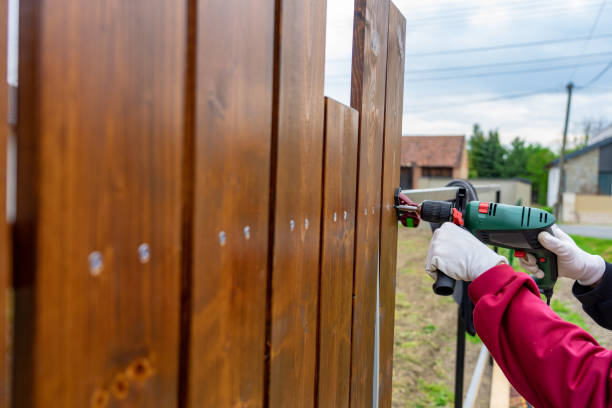
man building his own special wooden fence with driller man building his own special wooden fence with driller , fence installation stock pictures, royalty-free photos & images

A well-maintained fence not only enhances the curb appeal of your property but also provides critical privacy and security. However, common fencing problems can arise over time due to wear, weather conditions, or poor installation. Addressing these issues promptly is essential to maintain the integrity of your fence and ensure the safety of your property. Below are some key strategies for solving common fencing problems while simultaneously boosting your property’s security.

Tips from a Fencing Contractor Gainesville FL on Identifying Common Fencing Problems

Some of the most frequent issues homeowners face with fences include:
Leaning fences: Often caused by unstable posts or shifting soil.
Sagging panels: This occurs when panels lose support over time or nails/screws loosen.
Rusting on metal fences: A common problem caused by prolonged exposure to moisture, leading to weakened structural integrity.
Cracked or broken concrete fencing: This can compromise both aesthetics and safety.
Pest infestation in wooden fences: Termites and other pests can severely damage wooden materials.
Fading paint or peeling finishes on wooden fences: Sun exposure, rain, and lack of maintenance contribute to this issue.

Understanding these issues is the first step in ensuring a secure fencing system.

1. Repairing Leaning Fences

To fix a leaning fence effectively:
– Inspect the fence posts for rot, corrosion, or looseness in the ground. – Tighten loose screws or nails securing panels to posts. – If a post is unstable: – Excavate around it and replace deteriorated sections. – Reinforce it with concrete footing for added stability. – Add braces if needed while repairs are underway.

2. Fixing Sagging Fence Panels

Address sagging panels in these ways: – Replace damaged rails supporting the panels. – Use additional hardware such as brackets for reinforcement. – Ensure nails and screws are securely fastened.

3. Preventing Rust on Metal Fences

For long-lasting metal fences: – Regularly inspect for rust spots early on. – Sand away rusted areas using sandpaper or a wire brush. – Apply a rust-inhibiting primer followed by protective paint designed for outdoor use. – Consider applying a sealant for additional protection against moisture.

4. Repairing Concrete Fence Cracks

To restore cracked concrete fencing: | Problem Type | Solution | |——————–|—————————————| | Small surface cracks | Use concrete filler or patch compound | | Larger structural cracks | Rebuild affected sections with fresh concrete |

Ensure proper curing time after repairs before applying any finishing treatments like waterproof coatings.

5. Protecting Wooden Fences from Pests

Pest damage can be minimized with preventive measures: – Apply wood preservatives specifically designed to repel insects. – Keep vegetation like shrubs or vines away from direct contact with wooden sections of your fence. – Conduct regular inspections for early signs of pests (e.g., small holes).

6. Revitalizing Wooden Fences

Rejuvenate fading wooden fences by following these steps: 1. Clean thoroughly using water mixed with mild detergent; pressure washing is effective but should be done carefully at low settings. 2. Sand rough patches where paint has peeled off completely. 3. Apply exterior-grade stain or paint suitable for outdoor surfaces; consider UV-resistant options for durability.

Professional Fence Repair Gainesville FL: Enhancing Property Security

  1. Upgrade materials where necessary: Replace outdated components with stronger alternatives like steel-reinforced posts or treated wood resistant to rot/pests.
  2. Install locks/gates: Ensure that all entry points have reliable locking mechanisms installed at sufficient heights out of reach from potential intruders.
  3. Add surveillance systems: Incorporate security cameras near gates/fence perimeters if privacy concerns arise in high-risk neighborhoods.

A well-maintained and structurally sound fence serves as an effective first line of defense against unauthorized access while adding aesthetic value tailored uniquely toward safeguarding both family members’ comfort alongside broader territorial needs across multiple scales alike through proactive upkeep routines overall functionalities alike long-term focus goals ahead maximizing investments returns properly cared-for structures overall comprehensive oversight applied consistently effort yields optimal results end-users satisfaction alike sustainable frameworks built enduring resilience forefront priorities guaranteed alignments stakeholders interests unified objectives shared endpoints achieved successfully together deservedly well-maintained secured environments respected safe guarded properly effectively delivered accordingly

Understanding and Addressing Leaning Fences for a Sturdier Structure

Leaning fences are a common problem faced by property owners. Not only can they detract from the appearance of your property, but they may also compromise security. Addressing this issue promptly ensures both functionality and aesthetics. Below is an in-depth guide to understanding the causes of leaning fences and how to effectively fix them.

Common Causes of Leaning Fences

  • Weak or damaged posts: Over time, fence posts may rot, weaken, or break due to age, moisture damage, or pests.
  • Loose soil: Shifting or eroding soil around the base weakens support for the fence structure.
  • Improper installation: Fences not installed with adequate support systems or improper depth can become unstable over time.
  • Weather conditions: High winds, heavy rains, or snow buildup can push fences out of alignment.
  • Tree roots: Expanding roots near fencing can tilt posts or dislodge sections entirely.

Steps to Fix a Leaning Fence

  1. Identify whether the issue lies with specific posts, rails, or panels.
  2. Look for signs of rotting wood, cracked concrete bases, or loose connections between parts.
  3. Reinforce Fence Posts:
    If one or more posts are causing the lean:
  4. Dig around the base of the affected post until you expose at least half of its length.
  5. Straighten the post using a level and temporarily brace it in place with stakes.
  6. Fill gaps around the post base with fresh concrete for added stability.
  7. Allow 24–48 hours for the concrete to cure before removing bracing.
  8. Replace Damaged Components:
    For severely decayed or broken posts:
  9. Remove old posts and replace them with new ones treated for weather resistance.
  10. Ensure new posts are set at least 2–3 feet deep into solid ground to prevent future leaning.
  11. Secure Loose Panels and Rails:
    Check all panels and rails connected to leaning sections:
  12. Tighten screws or hammer nails back into place as needed.
  13. Replace any warped pieces that cannot be restored.

Proactive Measures to Prevent Future Leaning

To maintain a sturdier fence in the long term: – Regularly inspect your fencing for signs of wear and tear at least twice a year. – Avoid planting large trees within close proximity to your fence line. – Ensure proper drainage around your fencing area as waterlogged soil can compromise its foundation. – Use high-quality materials such as pressure-treated wood or galvanized metal when constructing new fences.

Comparative Table: Repair vs Replacement Costs

Issue Repair Cost (Approx.) Replacement Cost (Approx.)
Replacing single post $50–$150 $100–$300 per post
Fixing loose panels $20–$50 per panel $50–$100 per panel
Full section replacement Not applicable $300–$700 per section

By understanding how these costs scale based on repair needs versus full replacements, you can plan both financially and logistically for maintaining your fence’s integrity over time.

Proper care and timely attention will ensure that your fence remains secure while enhancing both property value and visual appeal.

Effective Solutions for Sagging Fence Panels and Maintaining Stability

Sagging fence panels are a common issue that can impact the overall appearance, functionality, and integrity of your fencing system. Left unaddressed, this problem can lead to further structural concerns. Below are actionable solutions to identify the causes of sagging panels and restore stability to your fence.

Causes of Sagging Fence Panels

  • Weak or Damaged Posts: Wooden or metal posts may rot, bend, or loosen over time due to weather conditions or improper installation.
  • Soil Erosion: Shifting soil caused by water runoff or uneven ground can weaken the foundation supporting your fence.
  • Poor Quality Materials: Low-grade materials may warp or break under pressure from wind or environmental factors.
  • Improper Installation: If the fence was not installed correctly (e.g., posts not anchored deeply enough), sagging may occur prematurely.

Steps to Repair Sagging Fence Panels

  1. Inspect the Fence Thoroughly
    Begin by assessing all components of your fence system—including panels, posts, rails, and fasteners—to determine which parts require attention. Look for signs of rot, rust, loose screws, or cracks in nearby structures.
  2. Dig out old posts using a post hole digger and remove any concrete footings carefully.
  3. Ensure new posts are made from durable materials (e.g., pressure-treated wood or galvanized steel).
  4. Set new posts securely in concrete at least 2–3 feet deep below ground level for added stability.
  5. Use brackets or mending plates at joints where panels connect to rails if they appear weak.
  6. Add additional horizontal supports underneath sagging sections for extra reinforcement.
  7. Level Uneven Ground Beneath Panels
    If shifting soil is causing instability:
  8. Remove excess debris around affected areas.
  9. Fill gaps with compacted gravel or soil to create a level surface before reattaching panels.
  10. Secure Loose Fasteners
    Replace bent nails with screws for a firmer hold on wooden fences. For metal fences, ensure bolts are tightly secured and free from rust.

Workers install a metal profile fence Workers install a metal profile fence. fence installation stock pictures, royalty-free photos & images

Proactive Maintenance Tips

  • Regular Inspection: Check your fence annually for signs of wear and tear that could lead to structural issues.
  • Weatherproofing Treatments: Apply sealants or protective coatings on wooden fences to guard against moisture damage.
  • Install Gravel Boards: Place gravel boards beneath wooden fences to minimize ground contact and reduce exposure to moisture.
  • Adjust Tension on Chains (for Chain-Link Fences): Ensure proper tension is maintained on chain-link fences by tightening any slack as needed.
Material Type Key Maintenance Practices Expected Lifespan*
Wood Regular sealing/painting; pest control 15–20 years
Vinyl Clean regularly; check joints 20–30 years
Metal Rust prevention; tighten fasteners 25–40 years

(*Lifespan depends on environmental conditions and upkeep.)

By addressing these issues promptly and following proper maintenance practices, you can extend the life of your fencing system while ensuring it remains sturdy and visually appealing for years to come.

Preventing and Managing Rust on Metal Fences for Long-Lasting Durability

Metal fences are a popular choice for their durability, strength, and aesthetic appeal. However, rust is one of the most common challenges faced by metal fence owners. Rust not only compromises the structural integrity of a fence but also affects its appearance. By taking proactive measures and implementing regular maintenance practices, you can extend the lifespan of your metal fence.

Understanding Why Rust Occurs

Rust forms when iron or steel reacts with oxygen and moisture. Over time, exposure to rain, humidity, and other environmental factors accelerates this process. Additional contributors to rust include: – Salt in coastal areas. – Acidic rain or pollutants in the air. – Poor-quality coatings or finishes on metal surfaces.

Steps to Prevent Rust Formation

  1. Opt for fencing materials like stainless steel or aluminum that inherently resist corrosion.
  2. For steel fences, ensure they are galvanized or powder-coated for extra protection.
  3. Regularly inspect your metal fence for signs of wear on protective paint or coatings.
  4. Use rust-inhibiting primers before painting the surface.
  5. Consider applying weather-resistant sealants for added durability.
  6. Remove dirt, debris, and bird droppings promptly as they can trap moisture.
  7. Wipe down areas prone to water accumulation with a dry cloth after heavy rainfall.
  8. Avoid water pooling at the base of your fence by grading the ground properly.
  9. Use gravel around posts to improve drainage and minimize moisture exposure.

Managing Existing Rust Spots

  1. Use a wire brush or sandpaper to scrub off loose rust particles.
  2. For tougher spots, apply a commercial rust remover designed for outdoor metals.
  3. Once cleaned, apply a rust converter to neutralize any remaining corrosion.
  4. This creates a protective layer that prevents further deterioration.
  5. After treating rusty areas, repaint them with high-quality outdoor paint designed specifically for metals.
  6. Add additional layers of protective sealant if necessary.
Tools Needed Purpose
Wire Brush/Sandpaper Removing surface rust
Rust Converter Neutralizing corrosion
Outdoor Metal Paint Restoring aesthetics
Protective Sealant Preventing future damage

Routine Maintenance Tips

To ensure long-term durability of your metal fence: – Inspect regularly for early signs of rust such as discoloration or rough patches. – Tighten loose screws or bolts promptly as these areas are prone to collecting moisture. – Trim vegetation near the fence to prevent prolonged exposure to damp leaves or mulch.

By addressing potential issues early and committing to regular upkeep, you can maintain both the appearance and structural integrity of your metal fencing system for years ahead.

Repairing Cracked or Broken Concrete Fencing to Ensure Safety and Aesthetics

Concrete fencing is a popular choice for its durability, strength, and ability to provide both security and aesthetic appeal. However, over time, factors such as weather conditions, soil movement, or impact damage can lead to cracks or breaks in concrete fences. Addressing these issues promptly is essential to maintain the fence’s structural integrity and visual appeal. Below are actionable steps and solutions for repairing cracked or broken concrete fencing.

Common Causes of Concrete Fence Damage

  • Soil Movement: Changes in soil conditions, such as settling or erosion, can exert pressure on the fence and cause cracking.
  • Weather Extremes: Freeze-thaw cycles during winter months can lead to the expansion of water within the concrete, resulting in cracks.
  • Impact Damage: Accidental collisions (e.g., from vehicles or falling objects) may cause visible fractures.
  • Aging: Over time, wear and tear can compromise the structural stability of older concrete fences.

Steps to Repair Cracked Concrete Fences

  1. Begin by closely examining your fence for all visible cracks or broken sections.
  2. Measure crack widths; hairline cracks may require smaller solutions compared to wider ones.
  3. Use a wire brush to remove dirt, dust, and debris from the affected area.
  4. If moss or mold is present, clean it with a mixture of water and mild detergent.
  5. For hairline cracks (less than ⅛ inch wide), apply a high-quality crack filler designed specifically for concrete.
  6. Smooth out any excess filler using a putty knife for an even finish.
  7. Wider cracks may require an epoxy-based sealer or hydraulic cement mix.
  8. Apply the material into the crack using a caulking gun or trowel until it is completely filled.
  9. Allow sufficient curing time as recommended by the product manufacturer.
    • Cut away loose concrete around the damaged area using a chisel.
    • Apply bonding adhesive before filling with fresh concrete mix.
    • Embed new rebar if necessary to ensure additional support.
  10. Once repairs have cured completely, sand down rough edges for a smooth appearance.
  11. Consider applying a waterproof sealant over repaired sections to protect against future damage.

Preventive Measures After Repair

  • Regularly inspect your fence for early signs of cracking or deterioration.
  • Ensure proper drainage around your property to prevent water pooling near the base of your fence.
  • Apply weather-resistant coatings every few years to protect against harsh environmental conditions like rain and frost.

Table: Tools & Materials Needed for Repairs

Item Purpose Example Products
Crack Filler Sealing minor hairline cracks Concrete Crack Sealant
Hydraulic Cement Filling wide gaps Quikrete Hydraulic Cement
Chisel Removing loose debris Cold Chisel
Wire Brush Cleaning surface before repair Steel Wire Brush
Bonding Adhesive Strengthening repair bonds SikaBond Adhesive
Waterproof Sealant Protecting repaired surfaces Acrylic Concrete Sealer

By addressing damaged areas efficiently and implementing preventive measures post-repair, you ensure that your concrete fencing serves its purpose effectively while preserving its aesthetic value over time.

How to Protect Wooden Fences from Pest Infestation for Longevity

Wooden fences are a popular choice due to their aesthetic appeal and versatility, but they can fall victim to pest infestations if left unprotected. Termites, carpenter ants, and wood-boring beetles are among the common offenders that can damage wooden fences over time. By understanding how pests affect wooden structures and implementing preventative measures, you can significantly enhance the lifespan of your fence while maintaining its structural integrity.

Common Pests That Attack Wooden Fences

  • Termites: These insects feed on cellulose in wood, creating tunnels and hollow spaces that weaken the fence.
  • Carpenter Ants: While they don’t eat wood like termites, carpenter ants burrow into it to create nests, causing structural damage.
  • Beetles: Wood-boring beetles lay their eggs in wooden surfaces. Once hatched, larvae feed on the wood from within.
  • Fungi (Wood Rot): Though not an insect pest, certain fungi thrive in moisture and lead to rotting of wooden fences.

Signs of Pest Infestation

  • Tiny holes or tunnels in the wood
  • Sawdust-like material (frass) around the base of your fence
  • Hollow-sounding sections of the fence when tapped
  • Discoloration or soft spots indicating wood rot

Preventative Measures for Pest Control

  1. Use Treated Wood
    Opt for pressure-treated or naturally-resistant woods such as cedar or redwood. These materials contain chemicals or natural oils that deter pests.
  2. Apply Sealants or Paints
    Regularly apply waterproof sealants or exterior-grade paint to create a barrier against moisture and pests.
  3. Maintain Proper Clearance
    Avoid direct contact between your wooden fence and soil by installing gravel barriers at the base. This reduces moisture retention and limits pest access.
  4. Trim Vegetation Around Fences
    Keep shrubs, vines, and tree branches away from your fence as they provide shelter for pests and promote moisture buildup.
  5. Inspect Regularly
    Perform routine inspections every few months to identify early signs of damage caused by pests or environmental factors.
  6. Use Natural Pest Repellents
    Essential oils like eucalyptus or orange oil can deter termites when applied directly to wooden surfaces.

Repairing Damage from Pests

Problem Solution
Small Holes Fill with epoxy putty or wood filler after cleaning out infested areas.
Softened/Rotted Sections Remove damaged portions completely before replacing them with new planks.

For severe infestations like termite colonies within your fencing structure, consulting a professional exterminator may be necessary.

Protecting your wooden fence requires consistent maintenance efforts paired with thoughtful preventive actions aimed at discouraging pest activity. Taking these steps will contribute to preserving its functionality and aesthetic value for years to come while reducing long-term repair costs overall.

Revitalizing Wooden Fences by Fixing Fading or Peeling Paint

Wooden fences are a popular choice for their natural beauty, but over time, exposure to sunlight, rain, and fluctuating temperatures can cause paint to fade or peel. Addressing this issue not only restores the aesthetic appeal of your fence but also protects the wood from further damage. Here’s how to effectively fix fading or peeling paint on a wooden fence and keep it looking its best.

A man is building a fence at his dacha. Using an electric drill, he screws a metal mesh chain-link to the metal profile A man is building a fence at his dacha. Using an electric drill, he screws a metal mesh chain-link to the metal profile. fence installation stock pictures, royalty-free photos & images

Why Does Fence Paint Fade or Peel?

Understanding the root causes of fading or peeling paint is essential to prevent recurrence. The most common factors include:
Weather exposure: UV rays from the sun break down the paint’s pigments, while rain and snow can cause peeling.
Moisture issues: Poor sealing allows water penetration, leading to bubbling and eventual peeling of paint layers.
Poor surface preparation: Painting over dirt, grime, or old flaking layers reduces adhesion.
Low-quality paint: Using subpar products can result in poor durability over time.

Tools and Materials You’ll Need

Before starting the restoration process, gather these essential tools and materials:
– Scraper or wire brush
– Sandpaper (medium to fine grit)
– Wood filler (if necessary for cracks or holes)
– Exterior-grade primer suitable for wood surfaces
– High-quality outdoor wood paint or stain
– Paintbrushes or rollers (based on your preference)
– Bucket of soapy water and sponge for cleaning

Step-by-Step Guide to Revitalize Your Fence

  1. Start by removing dirt, mildew, and debris from your fence using soapy water and a sponge. Rinse thoroughly with a hose and let it dry completely before proceeding.
  2. Use a scraper or wire brush to remove loose, flaking paint from the surface. Sand down any uneven areas with medium-grit sandpaper until smooth.
  3. Check for cracks, holes, or splinters in the wood. Fill any imperfections with wood filler and sand lightly once it has dried.
  4. A high-quality primer helps seal the wood’s surface while improving adhesion for your topcoat of paint. Apply evenly across all exposed areas using a brush or roller.
  5. Use an exterior-grade wood paint that is resistant to UV rays and moisture damage. Apply at least two coats for optimal coverage, allowing each layer to dry according to manufacturer instructions.
  6. For added durability against weather elements, consider applying a clear protective sealant once the final coat is dry.

Tips for Long-Term Maintenance

  • Regularly clean your fence with mild soap and water to remove dirt buildup.
  • Inspect annually for signs of wear such as cracking or peeling.
  • Reapply a fresh coat of sealant every 2–3 years depending on climate conditions.
  • Trim nearby vegetation that may trap moisture against your fence.
Issue Prevention Tip Recommended Maintenance Frequency
Fading from UV Rays Use UV-resistant paints Every 2–3 years
Moisture Damage Apply waterproof sealants Annually
Dirt Accumulation Clean with mild soap & water Quarterly

By addressing fading or peeling promptly and following proper maintenance practices, you’ll extend both the lifespan and beauty of your wooden fence while safeguarding its structural integrity over time.

Top Solutions to Ensure a Stronger, More Reliable Fence System

A sturdy, well-maintained fence is critical for securing your property, enhancing privacy, and improving aesthetic appeal. However, fences can become vulnerable over time due to environmental factors, improper installation, or lack of upkeep. By implementing proactive solutions and addressing weaknesses promptly, you can maximize the reliability and durability of your fence system. Below are key solutions to ensure a stronger and more dependable fencing structure.

1. Choose the Right Materials

  • Wood: Opt for durable species like cedar or redwood that resist rot and decay.
  • Vinyl: A low-maintenance option resistant to weathering.
  • Metal: Steel or wrought iron provides excellent durability but requires rust prevention treatments.
  • Composite: Combines wood fibers and plastic for enhanced strength and longevity.

Each material has its pros and cons. Selecting one that matches your needs ensures long-term performance.

2. Reinforce Fence Posts

  • Use concrete footings around posts to prevent leaning or shifting.
  • Ensure posts are set at least 2–3 feet deep (depending on soil type) for added strength.
  • For wooden posts, apply a protective sealant to reduce moisture absorption and decay risks.

Properly installed posts provide a solid foundation that withstands harsh weather conditions.

3. Regular Maintenance

  • Inspect fences quarterly for signs of wear such as loose boards, rust spots, or cracking.
  • Tighten screws or brackets that may have loosened over time.
  • Replace damaged sections immediately to prevent further deterioration.

A consistent maintenance schedule will extend the life span of any fence system significantly.

4. Address Sagging Fence Panels

  1. Adding support brackets beneath sagging sections.
  2. Replacing warped boards with new ones.
  3. Installing additional horizontal rails for even weight distribution.

These simple fixes restore strength while maintaining visual appeal.

5. Protect Against Environmental Damage

  • Apply weather-resistant stains or paints on wooden fences to guard against sun damage and rain absorption.
  • Use anti-corrosion coatings on metal fences to reduce rust formation.
  • Consider installing wind-resistant designs such as open-picket styles in windy regions where solid panels might be at risk.

Tailoring protection measures to local environmental challenges ensures greater resilience across seasons.

6. Install Proper Drainage Systems

Material Potential Issue Solution
Wood Rot Gravel layers under posts for drainage
Metal Corrosion Adequate slope around fencing areas
Concrete Fencing Cracking from water Seal cracks; maintain good water runoff

Preventing water buildup is essential for protecting both materials and foundations from premature damage.

7. Upgrade Hardware Components

  • Replace outdated nails with galvanized screws that resist corrosion better over time.
  • Upgrade gate hinges and latches if they show signs of wear or misalignment.

Investing in durable hardware prevents weak points from undermining structural integrity.

By following these strategies—ranging from choosing appropriate materials to ongoing maintenance—you can strengthen your fencing system effectively while ensuring it remains reliable year after year. Adopting such practices not only adds value but also provides lasting peace of mind regarding property security.


Tags:

Step-by-Step Guide to Fence Repair Gainesville FL and Installation Timelines

Person repairing fence near house Person repairing fence near house in summer fence installation stock pictures, royalty-free photos & images

Installing a fence is a process that requires careful planning, preparation, and execution. Understanding the step-by-step timeline can help property owners set realistic expectations and ensure the project progresses smoothly. Below is a detailed breakdown of the key stages involved in a typical fence installation timeline.

Step 1: Planning and Design (1-2 Weeks)

  • Determine Purpose: Is your primary goal security, privacy, aesthetics, or marking property boundaries?
  • Select Materials: Common options include wood, vinyl, aluminum, chain link, or composite materials. Each material has its advantages based on durability, cost, and maintenance requirements.
  • Measure Area: Accurately measure your property’s dimensions to determine how much fencing material you’ll need.

This phase typically takes about 1-2 weeks depending on decision-making processes and consultation availability with contractors.

Step 2: Obtaining Permits (1-3 Weeks)

  • Check Local Codes: Research zoning laws or HOA guidelines that may affect your project.
  • Submit Permit Applications: Documentation often includes site plans, designs, and measurements.
  • Neighbor Communication (if applicable): Some areas mandate notifying neighbors before work begins.

The timeline for securing permits can vary depending on local regulations but usually takes between 1 to 3 weeks.

Step 3: Site Preparation (1 Week)

  • Marking Utility Lines: Contact utility companies to locate underground lines like gas or water pipes.
  • Clearing Debris: Remove rocks, vegetation, or obstructions from the area where the fence will be installed.
  • Surveying Property Lines: A professional surveyor may be hired to confirm accurate boundaries if disputes are possible.

Proper preparation typically takes up to one week but ensures smooth progress during installation.

Step 4: Materials Delivery & Inspection (1 Week)

Material Type Typical Delivery Timeframe
Wood 5–7 business days
Vinyl 7–10 business days
Aluminum 10–14 business days

After delivery: – Inspect all materials for defects such as warping or damage. – Ensure quantities match invoiced orders.

This phase is critical because undetected issues can delay further progress.

Step 5: Fence Installation (2 Days – 1 Week)

  1. Holes are dug at measured intervals along the boundary line.
  2. Depth depends on both local frost lines and structural needs.
  3. Posts are inserted into holes then secured with concrete for stability.
  4. Drying time ranges from several hours up to two days depending on weather conditions.
  5. After posts have set firmly in place rails are attached followed by panels slats gates etc

During this stage its important teamwork ensures alignment consistency leave result aligned regulations requirements

The Complete Fence Installation Process with a Fence Company Gainesville FL

Installing a fence is a significant project that involves multiple steps and meticulous attention to detail. From the planning phase to final inspections, understanding each part of the process can help ensure success. Below, we break down the entire fence installation process to help you better understand how it works.

1. Planning and Preparation

Effective planning is the cornerstone of a smooth fence installation. During this phase:
Define Your Goals: Determine whether your fence is for privacy, aesthetics, security, or property boundary purposes. – Choose Materials: Select materials that align with your needs (e.g., wood for aesthetics, vinyl for low maintenance, or chain-link for cost-effectiveness). – Set a Budget: Establishing a clear budget prevents unforeseen expenses later in the project. – Obtain Permits: Check local building codes and secure permits if required.

2. Property Evaluation and Measurements

Proper site evaluation prevents mishaps during installation: – Conduct a survey of your property boundaries to avoid disputes with neighbors. – Measure the designated area carefully. This includes marking corners and potential gate locations. – Identify any underground utilities by contacting relevant utility companies.

Step Key Activity Why It’s Important
1 Survey property lines Prevents legal disputes
2 Mark critical points using flags Ensures accurate placement
3 Locate underground utilities Avoids damage and ensures safety

3. Site Preparation

Once planning is complete: – Clear vegetation or debris in the designated area where the fence will be installed. – Level uneven terrain to ensure a stable foundation for posts. – Mark holes for post placement using stakes and string lines.

4. Installation of Fence Posts

The posts provide structural integrity to your fence: 1. Dig post holes at consistent depths (usually one-third of the post height).
2. Use concrete to secure each post in place for added strength and durability.
3. Ensure posts are aligned properly using a level before allowing them to set.

5. Panel Installation

After ensuring posts are firmly in place: – Install fencing panels or pickets between posts as per your chosen design. – Use appropriate fasteners (e.g., nails or screws) based on material type. – Regularly check alignment during panel installation.

6. Gate Installation

If your project includes gates: – Attach hinges securely to both the gate frame and adjacent posts. – Test gate movement to ensure smooth opening and closing without sagging.

7. Finishing Touches

Ensure longevity by following these steps after installation: – Apply weather-proofing treatments if you’re using materials like wood. – Inspect all fasteners, ensuring they are tight and secure. – Backfill around posts with soil or gravel for added stability.

By understanding each stage of this comprehensive process, homeowners can approach their fencing project confidently while preventing common errors that arise from lack of preparation or oversight during installation.

Planning and Permits with a Trusted Fencing Contractor Gainesville FL

Proper planning and obtaining the necessary permits are crucial steps in ensuring a smooth and legally compliant fence installation. Neglecting these aspects can lead to delays, fines, or the need to restart the entire project. Below is a detailed guide on how to effectively plan and manage permits for your fencing project.

Understanding Local Regulations

Before starting any installation, familiarize yourself with local zoning laws, homeowner association (HOA) regulations, and municipal codes. These rules dictate:
– Maximum allowed fence height
– Approved materials (e.g., wood, vinyl, metal)
– Property line setbacks
– Visibility restrictions for safety near intersections

Failing to comply with these regulations can result in legal trouble or forced removal of the fence.

a man builds a fence from a metal profile. diy a man builds a fence from a metal profile. diy fence installation stock pictures, royalty-free photos & images

Steps to Obtain Necessary Permits

  1. Research Permit Requirements
    Check with your city or county zoning office to determine if you need a permit. Even if your area doesn’t require one, some HOAs might still require prior approval.
  2. Prepare Documentation
    Gather all necessary documents for submission. This may include:
  3. A property survey or site map indicating fence location
  4. Design plans specifying dimensions and materials
  5. Evidence of HOA approval (if applicable)
  6. Submit Application
    Apply through your local government’s permitting office either online or in person. Be prepared to pay an application fee during this step.
  7. Review Process
    The zoning board will review your application and may request changes before approval. This process might take days or weeks depending on your location.
  8. Approval and Permit Issuance
    Once approved, you’ll receive a permit allowing you to begin the installation process.

Budget Preparation

  • Include costs for permits in your overall budget.
  • Account for potential fines if any rules are inadvertently violated.

Boundary Identification

  • Clearly mark property lines using a professional surveyor if needed.
  • Avoid encroaching on neighboring properties as this could lead to disputes or legal issues.

Utility Checks

Contact utility companies before digging postholes to identify underground lines such as gas pipes or electrical cables that could pose hazards during installation.

Example of Permit Costs

Permit Type Cost Range Notes
Residential Fence Permit $20–$150 Varies based on city/county guidelines
Additional HOA Approval Fee $50–$200 Charged only in HOA-governed areas
Property Survey Fee $300–$700 Optional but recommended prior to work

Benefits of Proper Planning and Permits

Taking the time to plan thoroughly ensures: 1. Legal compliance. 2. Prevention of costly mistakes. 3. Smooth progress without interruptions from local authorities. 4. Good relationships with neighbors by avoiding boundary disputes.

By understanding the importance of planning and obtaining permits early on, you’ll set yourself up for success in completing your fencing project efficiently and without complications.

Site Preparation Essentials for Smooth Fence Installation

Proper site preparation is a critical step in ensuring a smooth and successful fence installation. Preparing your property correctly not only helps prevent delays but also ensures the longevity and stability of your fence. Below, we’ll break down the essential steps for effective site preparation.

1. Assessing the Property

Before diving into any physical preparation, it’s vital to assess the property to understand its unique characteristics and potential challenges.

  • Identify Boundaries: Verify property lines using official surveys or records to avoid building on a neighbor’s land.
  • Evaluate Terrain: Check for slopes, uneven ground, or obstructions like rocks, tree roots, or buried utilities that may complicate installation.
  • Measure Your Space: Accurately measure the area where the fence will be installed to ensure you order enough materials and avoid overspending.

2. Clearing the Area

Clearing the installation zone is crucial to create a clean workspace for workers and ensure proper placement of fencing materials.

Steps to clear your site:
Remove Vegetation: Trim bushes, cut back overhanging tree branches, and mow grass in the installation area.
Dispose of Debris: Remove rocks, fallen branches, and discarded items that may obstruct digging or post placement.
Level Ground as Needed: For uneven terrain, leveling specific areas can create a more stable foundation for fence posts.

3. Marking Fence Lines

Tool/Material Purpose
String Lines Outline where the fence will be placed
Stakes Secure string lines at corner points
Measuring Tape Ensure proper spacing between posts

Tips:
– Mark corners and gate locations first. – Double-check alignment by stepping back and visually inspecting string lines.

4. Checking Underground Utilities

Before digging post holes, contacting local utility companies is essential to avoid damaging buried pipes or wires.

Key considerations:
– Call your local utility marking service (e.g., 811 in the U.S.) at least 2–3 days before beginning work. – Mark identified utilities with flags or spray paint to ensure they’re avoided during digging.

5. Soil Testing (Optional)

  • Sandy Soil requires deeper posts or concrete footings for stability.
  • Clay Soil may require drainage solutions around posts to prevent water retention.
  • Rocky Soil might involve specialized tools like augers or jackhammers when digging holes.

This step is particularly important if you live in areas with extreme weather conditions that could affect soil integrity over time.

6. Gathering Tools and Materials

Common Tools Needed:

  • Post hole digger/auger
  • Level
  • Shovel
  • Hammer
  • Tape measure

Materials Checklist:

Component Purpose
Fence Panels Main structure of the fence
Posts Provide support; must be installed first
Concrete Stabilizes posts
Fasteners Connect panels securely

Confirm that all materials are free from defects before proceeding with installation.

Properly preparing your site ensures fewer unexpected issues arise during construction while speeding up overall project timelines. These steps contribute significantly to achieving a strong, durable fence designed to last for years.

How Materials Delivery and Inspection Influence Fence Installation

A critical yet often overlooked step in the fence installation process is the delivery and inspection of materials. The quality, timing, and condition of materials can significantly impact the efficiency and success of your project. Addressing this stage with attention to detail ensures a smooth installation process, minimizes delays, and avoids unforeseen costs.

Importance of Timely Material Delivery

  • Clear Communication with Suppliers: Coordinate with suppliers regarding timelines and ensure they understand your project’s schedule.
  • Plan for Lead Times: Certain materials, such as custom-designed or specialty fences, may have longer lead times. Factor this into your planning phase.
  • Verify Storage Options: Make sure there’s adequate space to store delivered materials safely until the installation begins.

Conducting a Thorough Inspection Upon Delivery

Inspecting delivered materials is essential to ensure quality and accuracy before installation begins. Damaged or incorrect items could lead to delays if replacements are required at the last minute.

  1. Look for cracks, warping, or other visible defects in wood or vinyl panels.
  2. Check metal fences for signs of rust or structural weaknesses.
  3. Cross-check the delivery against your purchase order or bill of materials.
  4. Ensure that all fasteners, brackets, posts, gates, and other components are present.
  5. Confirm that the delivered material matches your design specifications (e.g., color, style, dimensions).

Pro Tip: Take photographs of any damaged items upon delivery as evidence when contacting your supplier for replacements.

Father and son manual construction workers working together installing a fence Two skilled construction manual workers installing a wooden fence. fence installation stock pictures, royalty-free photos & images

Impact on Installation Timeline

Condition Impact on Timeline Recommended Action
Materials arrive intact No delays; installation proceeds smoothly Proceed with site preparation
Minor damage detected Possible short delay depending on severity Request replacement/repair immediately
Major damage detected Significant delays likely Pause work; negotiate expedited replacement

Best Practices for Managing Material Delivery

  • Schedule Deliveries Strategically: Aim to receive materials shortly before they are needed to avoid prolonged storage periods.
  • Work with Reputable Suppliers: Choose vendors known for reliable deliveries and high-quality products.
  • Have Contingency Plans: Prepare backup options in case issues arise with deliveries or inspections.

Taking these steps ensures that material-related challenges do not derail your fence installation project while setting a solid foundation for a successful build process.

Fence Installation Process from Start to Finish

Installing a fence is a structured process that involves several key steps, each contributing to the durability, functionality, and overall appearance of the final product. Below is a detailed breakdown of the fence installation process from start to finish.

1. Initial Consultation and Planning

The journey begins with determining your fencing needs. Whether it’s for privacy, security, or aesthetic purposes, careful planning ensures the project aligns with your goals.

Key steps at this stage: – Define the purpose of the fence (privacy, security, aesthetics). – Select a fencing material (wood, vinyl, metal, composite). – Determine your budget. – Consult with fencing contractors for measurements and estimates. – Confirm property boundaries to avoid encroaching on neighboring land.

2. Obtaining Permits and Approvals

Most municipalities have regulations governing fence installation. Securing proper permits ensures your project meets local zoning laws and codes.

What you’ll need: – Research zoning regulations in your area (height limits, setbacks). – Submit permit applications if required. – Inform neighbors about your plans to maintain good relations.

3. Site Preparation

A well-prepared site reduces delays during installation.

Steps involved: 1. Utilities Check: Contact utility companies to mark underground lines. 2. Clearing Area: Remove vegetation, rocks, or debris that may obstruct construction. 3. Measuring and Marking: Use stakes and string lines to outline the fence perimeter accurately.

4. Delivery and Inspection of Materials

Once materials are delivered: – Inspect all components for damage or defects. – Confirm that quantities match the order specifications.

This step ensures there are no surprises during installation.

5. Post Installation

Setting posts is one of the most critical aspects of ensuring fence stability.

Process overview: 1. Dig post holes at equal intervals along marked lines (depth depends on material and height of the fence). 2. Place posts in holes and ensure they are level using a spirit level. 3. Fill holes with concrete or compacted soil for stability. 4. Allow adequate curing time for concrete before moving forward.

6. Securing Rails or Panels

Attaching rails or panels defines the structure of your fence.

Steps include: 1. Install horizontal rails between posts (for picket-style fences). 2. Attach prefabricated panels if applicable for materials like vinyl or chain link. 3. Ensure all fixtures are secured tightly using screws or fasteners.

7. Adding Gates and Hardware

Guidelines for gate installation: – Use heavy-duty hinges for durability. – Ensure gates align properly with neighboring sections for smooth operation. – Add latches/locks based on security requirements.

8. Final Touches: Painting/Staining

Options: | Type | Benefits | |————–|———————————-| | Staining | Highlights natural wood grain | | Painting | Offers UV protection & color choice |

This step protects your investment from weather damage while enhancing appearance.

By following these steps in order, you can ensure a well-executed fencing project that meets both functional needs and aesthetic preferences while standing strong against time and elements alike.

Final Inspection and Cleanup Tips for Your Fence Installation Gainesville FL

Once your fence installation is complete, the final inspection and cleanup are essential steps to ensure a lasting, quality result. These steps not only verify that the work meets your expectations but also help maintain the appearance and integrity of the fence over time. Below is a detailed guide on how to conduct a thorough final inspection and manage the cleanup effectively.

Conducting a Final Inspection

  • Ensure all fence posts are straight and properly aligned.
  • Look along the top of the fence to verify it maintains a consistent height.
  • Test each post by gently shaking it to confirm stability.
  • Inspect fasteners (screws, nails, or brackets) for proper placement and tightness.
  • Open and close gates multiple times to ensure smooth operation.
  • Confirm that gate latches align correctly and lock securely.
  • Look for cracks, chips, or other imperfections in wood, metal, or vinyl materials.
  • Verify that treated wood has been sealed if necessary or check for corrosion-resistant coatings on metal components.
  • Measure gaps between pickets (for picket fences) or panels (for privacy fences) to ensure uniformity.

Cleanup Essentials After Installation

Tools and Materials

  • Remove leftover construction materials such as wood scraps, nails, screws, or cement bags from the site.
  • Collect all tools used during installation.

Ground Cleanliness

  • Rake up sawdust, dirt piles, or grass clippings caused by digging postholes or cutting materials.
  • Fill any uneven patches in your lawn created during construction with soil.

Waste Disposal

Plan for responsible disposal of waste: 1. Recycle leftover materials like metal scraps if possible. 2. Use municipal services or local waste management facilities for disposing of non-recyclable items. 3. Store spare items such as screws or small sections of fencing material safely in case future repairs are needed.

Post-Cleanup Maintenance Tips

Once cleanup is finished, follow these maintenance suggestions to preserve your new fence: – Apply an appropriate weatherproofing solution if it hasn’t been done during installation (e.g., stain/sealant for wood). – Inspect landscaping near the fence. Trim bushes or vines that could damage fencing over time. – Water regularly around posts if recently dug soil remains loose to promote settling without gaps forming at the base.

Task Importance Level Recommended Frequency
Fence alignment check High Post-installation only
Cleaning surrounding area Medium Immediately after
Apply sealant/weatherproofing High As per material specs

Taking care of both inspection details and proper cleanup will ensure your new fence remains functional while enhancing curb appeal in the long run. By dedicating attention to these final steps, you’ll set yourself up for success with minimal concerns down the road.


Tags:

How to Identify and Verify the Best Fencing Contractor Gainesville FL for Your Needs

Welding the steel gear racks to gate. Last phase before setting up an automated gate operator. Professional service of installation and maintenance of automatic cantilever sliding gate Welding the steel gear racks to gate. Last phase before setting up an automated gate operator. Professional service of installation and maintenance of automatic cantilever sliding gate. fence installation stock pictures, royalty-free photos & images

When planning a fencing project, selecting the right company is critical to ensure quality, durability, and aesthetics. Identifying and verifying the best fence company requires a structured approach to evaluate their qualifications, reputation, and reliability. Below is a comprehensive guide to help you make an informed decision.

Assess Your Requirements

Before beginning your search for a fencing company, take some time to outline your specific needs. This will help you narrow down potential contractors and avoid wasting time on companies that may not align with your expectations.

  • Purpose of the Fence: Are you installing the fence for privacy, security, aesthetics, or property boundaries?
  • Preferred Material: Do you prefer wood, vinyl, metal, or composite materials?
  • Budget Constraints: Have a clear idea of how much you’re willing to spend.
  • Timeline: Determine when you’d like the project completed.

Research Potential Fence Companies

Once you’ve defined your requirements, start researching local fence companies. A variety of resources can provide insights into their services and reputation.

  1. Online Search: Look for companies in your area using search engines or online directories.
  2. Referrals: Ask friends, neighbors, or colleagues for recommendations based on their experiences.
  3. Professional Associations: Check if they are affiliated with industry organizations like the American Fence Association (AFA).
  4. Social Media Presence: Review their social media profiles for customer interactions and project photos.

Verify Credentials

Not all fencing companies operate with professionalism or proper licensing; verifying credentials will ensure you avoid unreliable contractors.

  • Check if they hold relevant licenses as required by state or local laws.
  • Confirm they have insurance coverage (e.g., general liability and worker’s compensation) to protect both parties during the project.
  • Ask about their experience—how many years they’ve been in business and whether they specialize in certain types of fencing.

Evaluate Online Reviews and Ratings

Customer reviews are invaluable in assessing a company’s quality of work and customer service.

  • Use platforms like Google Reviews, Yelp, or Angi (formerly Angie’s List) to read feedback from previous clients.
  • Prioritize companies with consistently positive feedback while paying attention to how they respond to negative reviews.
Key Metrics Positive Indicators Warning Signs
Customer Service Responsive communication Delayed replies
Quality of Work Durable fences with clean installation Poor craftsmanship
Timeliness Completed projects within promised timeframes Frequent delays without updates

Request Multiple Quotes

  1. Contact at least three fence contractors for quotes.
  2. Overall costs (materials + labor)
  3. Timeline estimates
  4. Details about warranties

Avoid choosing solely based on cost; balance affordability with expertise and material quality.

Conduct Interviews With Finalists

  • What is your process for preparing my property before installation?
  • Do you offer guarantees or warranties on materials/workmanship?
  • Can I see examples of similar projects you’ve completed?

By carefully identifying and verifying all aspects above, you’ll increase your chances of working with a trusted partner who delivers results aligned with your vision.

Finding the Best Fence Company Gainesville FL to Meet Your Fencing Needs

Choosing the right fence for your property begins with understanding your specific needs and preferences. A well-selected fence not only provides functionality but also enhances the aesthetic appeal of your home or commercial space. Below, we will explore how to evaluate your fencing priorities and select a style that aligns with both your practical requirements and design aspirations.

Professional Fence Installation Gainesville FL: Assessing Your Fencing Needs

  1. Do you need to block visibility into your yard?
  2. Are you looking for a tall, solid structure to create a secluded environment?
  3. Will the fence serve as a barrier to deter trespassers or protect children/pets?
  4. Should it include features like locking mechanisms or spiked tops for added protection?
  5. Do you want the fence to complement the architectural style of your home?
  6. Are decorative elements or unique materials important for curb appeal?
  7. Is it intended primarily to designate property lines?
  8. Do you require a low-maintenance option, or are you willing to invest time in upkeep?

Clearly identifying what you expect from the fence will guide your choices when selecting materials, designs, and contractors.

Top Services for Fence Repair Gainesville FL

Fence Style Best For Materials Used Key Features
Wood Fences Privacy & Classic Look Cedar, Pine Natural aesthetic; customizable heights
Vinyl Fences Low Maintenance & Durability PVC Resistant to weather; variety of colors
Chain-Link Fences Security & Affordability Galvanized Steel Cost-effective; minimal aesthetic impact
Aluminum Fences Elegance & Low Maintenance Powder-Coated Aluminum Lightweight; rust-resistant
Wrought Iron Fences Decorative Appeal Forged Iron Strong and ornate; higher maintenance

Factors To Consider When Choosing A Fence Style

  • Budget: Some materials, like wrought iron or aluminum, tend to be more expensive than wood or chain-link options. Choose something that fits within your financial plan while meeting priority needs.
  • Climate: If you live in an area with extreme weather conditions (e.g., heavy rain, snow), opt for materials designed for durability in those settings.
  • HOA Regulations: If applicable, check neighborhood rules regarding height limits or acceptable styles.
  • Environmental Impact: Sustainable options such as bamboo fences may appeal if eco-friendliness is a priority.

Customization Opportunities

  • Add features like lattice tops for wood fences or custom gate designs.
  • Consider staining wooden fences in colors that harmonize with outdoor landscaping.
  • Integrate decorative elements such as post caps or light fixtures.

By thoroughly assessing functionality alongside visual preferences and logistical constraints (like budget), you’ll ensure that your chosen style perfectly fits both practical needs and personal taste—resulting in a long-term investment you can appreciate daily.

Repair and restoration of a wooden fence A carpenter repairs a wooden fence. Close-up of a working tool. A screwdriver in the hand of a master. Carpenter in red gloves. Safe tool. Screws and screws are screwed into a wooden fence fence installation stock pictures, royalty-free photos & images

Evaluating a Fence Company’s Reputation Through Licenses, Insurance, and Experience

When selecting a fence company for your project, verifying their reputation is essential to ensure high-quality results and avoid potential issues. Assessing a company’s licenses, insurance coverage, and experience helps you distinguish reliable professionals from less qualified providers. Here’s how you can evaluate these factors effectively.

Importance of Licenses

Licensing requirements vary depending on the state or municipality you live in. Licensed fencing contractors typically meet specific standards set by regulatory authorities and have proven their expertise in the field.

  • Request the contractor’s license number.
  • Use your state or local government’s contractor licensing database to verify its validity.
  • Confirm that the license is active and covers the type of work required for your fencing project.
  • Ensures compliance with local building codes.
  • Demonstrates professionalism and accountability.
  • Reduces the risk of hiring unqualified contractors.

Verifying Insurance Coverage

A reputable fence company should carry both liability insurance and workers’ compensation insurance. These insurance policies protect you from financial liabilities in case of damages or accidents during your project.

  • General Liability Insurance: Covers damages to your property caused by the contractor’s work.
  • Workers’ Compensation: Protects you from being held accountable if workers are injured while on-site.
  • Ask for proof of insurance certificates before signing any agreements.
  • Verify that the coverage limits are sufficient for your project’s scope.
  • Contact the insurance provider directly if necessary to ensure policies are active.

Assessing Experience

The experience level of a fence company often reflects their ability to handle various challenges and deliver quality results. Companies with more years in business tend to have honed their skills, built solid supplier relationships, and earned trust within their community.

  • How long have you been in business?
  • What types of fencing projects have you worked on previously?
  • Can you provide references or examples of past projects?
  • Look for companies specializing in the style or material type you’re interested in (e.g., wood, vinyl, chain link).
  • Review customer testimonials or portfolios showcasing completed installations.
Factor Why It Matters What to Check
Licensing Legitimacy & adherence to regulations Verify through local database
Liability Insurance Financial protection for accidental property damage Request proof & confirm coverage
Workers’ Compensation Protection from liability during worker injuries Ensure policy is valid & up-to-date
Years of Experience Track record & ability to handle complex projects Ask about years in operation

Red Flags to Avoid

  • Lack of proper licensing or inability to provide proof upon request.
  • Hesitancy to offer written documentation for insurance policies.
  • Limited experience with your preferred fencing materials or styles.
  • Negative reviews indicating poor workmanship or unprofessional behavior.

Taking these steps ensures that you partner with a qualified company capable of delivering exceptional results while protecting yourself from legal or financial risks. Always prioritize thorough research before committing.

Evaluating a Fence Company’s Reputation Through Licenses, Insurance, and Experience

When choosing a fence company for your project, evaluating its reputation is crucial to ensure quality craftsmanship, reliability, and professionalism. A company’s reputation is more than just positive reviews; it includes its credentials, legal compliance, and years of industry experience. Here are several key aspects to analyze when assessing a fence company.

Licenses: Ensuring Compliance with Local Regulations

  • State or Local Licensing: Many states or municipalities require contractors to hold relevant licenses. Confirm that the company you’re considering has an up-to-date and valid license.
  • Specialized Certifications: Some companies may also hold certifications for specific fencing materials (e.g., wood, aluminum) or techniques.
  • Verification Process: You can typically verify licenses through your state’s contractor licensing board or local government website.

Hiring a licensed fence company reduces the risk of non-compliant installations, potential fines, or delays due to improper permitting.

Insurance: Protecting Yourself and Your Property

  • General Liability Insurance: Covers damage to your property during the installation process.
  • Worker’s Compensation Insurance: Ensures that workers are covered for any on-the-job injuries.
  • Bonded Companies: Companies that are bonded offer an extra layer of financial protection in case they fail to complete the job as agreed.

Requesting copies of insurance certificates ensures transparency and confirms their authenticity. Avoid working with any contractor unwilling to provide this documentation.

Experience: Why It Matters

  1. Years in Business
    A well-established fence company with several years in business often has refined processes, solid supplier relationships, and seasoned teams.
  2. Past Projects
    Ask about projects similar in size or scope to yours:
  3. Have they worked on residential properties? Commercial properties?
  4. Do they specialize in specific fencing types (e.g., chain link, vinyl)?
  5. Portfolio Review
    Reviewing examples of their previous work provides insights into their craftsmanship and attention to detail.
  6. Specialization Areas
    Some companies excel at custom designs or modern fencing materials like composite panels while others may specialize in traditional wooden fences.

Table Comparison: Key Questions While Reviewing Reputation

Factor Key Questions Why It Matters
Licenses Are they licensed for my area? Ensures legal compliance with local codes.
Insurance Can they provide proof of insurance? Protects against liability during the project.
Experience How long have they been operating? Demonstrates reliability over time.
Portfolio Do they have examples of similar projects? Shows ability to meet your specific needs.

Additional Tips for Researching Reputation

  • Customer Testimonials & References: Ask for references from past clients whose projects were comparable in complexity.
  • Online Reviews: Platforms like Google Reviews, Yelp, or BBB (Better Business Bureau) can reveal patterns in customer satisfaction or recurring issues.
  • Affiliations & Memberships: Memberships with professional organizations (e.g., American Fence Association) indicate a commitment to industry standards.

Evaluating these factors helps you avoid unlicensed contractors and ensures peace of mind throughout your fencing project journey. Combine these steps with thorough communication before signing any contracts for optimal results.

Key Elements of a Fencing Contract and Common Pitfalls to Avoid

When embarking on a fencing project, it is essential to understand the critical components of a fencing contract. A well-drafted contract serves as the foundation for clear communication between you and the fence company, ensuring that expectations are met and potential issues are minimized. Below is a guide to the key elements that should be included in any fencing contract, along with common pitfalls to avoid.

build a metal fence an elderly man with a drill builds metal fence fence installation stock pictures, royalty-free photos & images

Essential Components of a Fencing Contract

  1. Clearly define the type of fence (e.g., material, height, style).
  2. Include specifics about the installation process, such as whether old fencing will be removed or if specific landscaping adjustments are needed.
  3. Identify any additional services like staining or painting.
  4. Include project start and completion dates to set expectations for milestones.
  5. Account for potential weather delays or material supply issues by outlining contingency plans.
  6. Specify payment terms (e.g., deposit amount, payment schedule).
  7. Indicate acceptable forms of payment (e.g., checks, electronic transfers).
  8. Ensure clarity on final payment conditions—whether full payment is required upon project completion or after an inspection period.
  9. Detail all materials being used in terms of type, grade, and brand (e.g., cedar wood vs. pressure-treated pine).
  10. Include warranty details covering both materials and labor; this ensures accountability if defects arise post-installation.
  11. Define who is responsible for obtaining permits or approvals required by local authorities.
  12. Verify property lines to avoid encroachment disputes with neighbors—a boundary survey may be necessary.
  13. Insurance Coverage
    Confirm that the contractor holds liability insurance and worker’s compensation coverage to protect you from potential accidents or damages during installation.
  14. Dispute Resolution Clause
    Outline a process for addressing disputes through arbitration or mediation rather than resorting directly to litigation.

Common Pitfalls to Watch Out For

  • Vague Language in Contracts: Phrases like “high-quality materials” or “as needed” can be subjective. Insist on precise definitions.
  • Ignoring Permit Requirements: Failure to secure permits can lead to fines or even removal of the fence after installation.
  • Overlooking Cleanup Responsibilities: Ensure it’s clear if debris removal post-project will be handled by you or included in the contractor’s responsibilities.
  • Not Verifying Insurance Claims: Simply taking verbal assurances isn’t enough; request copies of insurance certificates directly from the provider.
  • Skipping Inspections Upon Completion: Agree on an inspection checklist with your contractor before final payments are made.
  • Failure To Account for Utility Lines: Confirm arrangements have been made for safely identifying underground utilities (e.g., gas lines).

Sample Contract Checklist

Element Included?
Detailed Project Scope Yes/No
Timeline Yes/No
Payment Terms Yes/No
Material Specifications Yes/No
Warranty Details Yes/No
Permits Responsibility Yes/No
Insurance Verification Yes/No

Using this table as part of your preparation will help ensure nothing important falls through the cracks when reviewing your fencing contract.

By paying attention to these elements and avoiding common pitfalls, you create a smoother pathway toward completing your fencing project efficiently while protecting yourself legally and financially throughout each step of the process.

Key Elements of a Fencing Contract and Common Pitfalls to Avoid

When planning a fencing project, the contract you sign with your chosen fence company plays a critical role in protecting your investment. A comprehensive, well-drafted fencing contract ensures both parties are aligned on expectations, timelines, and responsibilities. Below is an outline of the key elements that should be included in a fencing contract and common mistakes to avoid when finalizing one.

Essential Components of a Fencing Contract

  1. Description of the type, style, and material of the fence (e.g., wood privacy fence, ornamental metal fence).
  2. Measurements: Specify total length, height, post spacing, and any unique design features.
  3. Additional considerations such as gates or special finishes.
  4. Start date and estimated completion date for the project.
  5. Include provisions for possible delays (e.g., weather conditions) and how they will be managed.
  6. Itemized list of materials with associated costs (e.g., lumber, hardware, concrete).
  7. Labor charges and other fees (e.g., permits or disposal fees).
  8. Payment terms: Specify deposit requirements, milestones for payments during the project, and final payment conditions.
  9. Details on warranties provided by the contractor (labor warranty) versus manufacturer warranties for materials.
  10. Time period covered under each warranty.
  11. Confirmation that necessary permits have been obtained by either the homeowner or contractor (as agreed upon).
  12. Assurance that local zoning regulations or HOA guidelines will be met.
  13. Proof that the contractor holds liability insurance to cover damages during installation.
  14. Worker’s compensation insurance to protect against employee-related injuries onsite.
  15. Procedures to handle disagreements if issues arise during or after installation.
  16. Arbitration clauses where applicable.

Common Pitfalls to Avoid in Fencing Contracts

  1. Lack of Specificity: Vague descriptions in contracts can result in misunderstandings about what is being delivered.
    • Ensure every detail — from materials to paint colors — is documented clearly.
    • For example: Don’t settle for “wooden posts”; specify “pressure-treated 6×6 pine posts.”
  2. Ignoring Local Regulations: Many homeowners overlook zoning laws or HOA rules before signing contracts.
    • Confirm compliance with boundary limits, height restrictions, or aesthetic guidelines.
    • Verify licenses are valid before entering an agreement.
    • Confirm details like warranty terms are written into the agreement instead of relying on verbal assurances.
    • Beware of vague phrases like “additional fees may apply.” Always request an all-inclusive estimate upfront.
    • Compare multiple quotes thoroughly for hidden discrepancies.
    • Verbal agreements about modifications often lead to disputes later.
    • Insist on written change orders signed by both parties when updates occur mid-project.
Element Why It’s Important Red Flags
Detailed Scope Ensures clarity between client and contractor about deliverables Vague descriptions; missing measurements
Timeline Helps manage expectations for completion No start/end dates listed
Cost Breakdown Prevents unexpected expenses Unitemized costs; ambiguous fee structures
Permits & Compliance Avoids legal issues No mention of permit responsibility
Warranties Provides protection if defects arise Oral promises with no written guarantee

Paying close attention to these aspects will help ensure your fencing project proceeds smoothly while avoiding unnecessary complications later on.


Tags: